




Clutter has a way of creeping up on a home. A garage that used to fit two cars slowly fills with bikes, holiday decorations, and boxes nobody’s opened in years. Closets get stuffed until the door barely shuts. For a lot of homeowners, self storage turns out to be the missing piece that finally makes decluttering feel manageable, rather than another overwhelming project that gets pushed off month after month.
Why Clutter Builds Up in the First Place
Most clutter doesn’t arrive all at once. It accumulates slowly, one purchase, one hand-me-down, one “I’ll deal with this later” decision at a time. Seasonal items get shuffled from closet to closet instead of a real home. Sentimental items pile up because nobody wants to make a decision about them. Before long, entire rooms exist mostly as storage rather than usable living space.
The problem isn’t usually that people own too much. It’s that everything they own is competing for the same limited square footage inside the house, and there’s rarely a natural stopping point that forces a decision one way or the other.
The Case for Using Self Storage as a Decluttering Tool
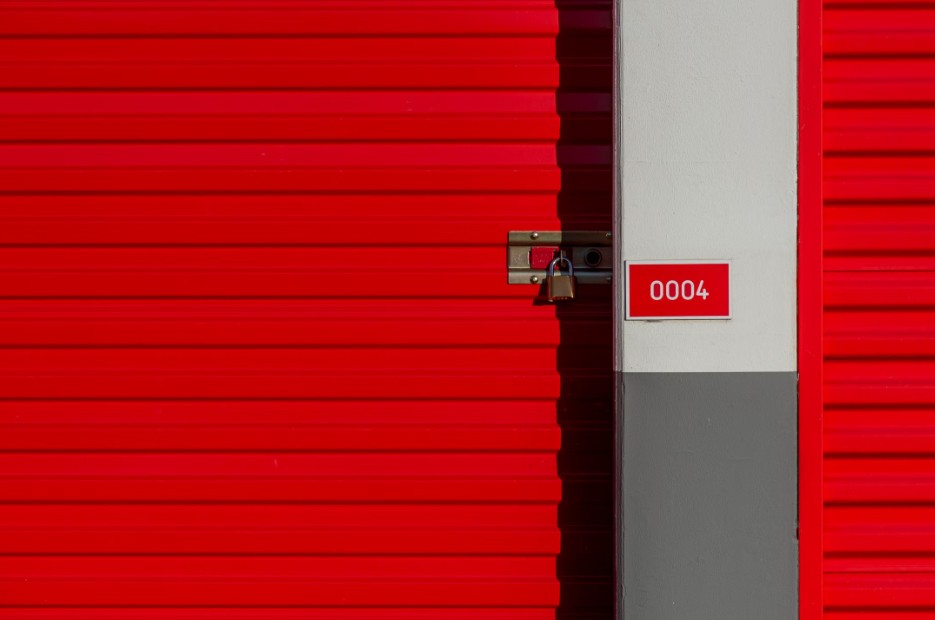
Self storage solves that competition by giving belongings somewhere else to live. Instead of forcing every item into daily-use spaces, a storage unit creates a separate home for things that matter but aren’t needed on a weekly basis. That shift alone can free up an entire garage, spare bedroom, or basement for actual use again.
It also removes a lot of the pressure that makes decluttering so hard in the first place. Getting rid of everything at once feels overwhelming and often leads to regret. Moving items to storage offers a middle ground, keeping things safe and accessible while giving a home room to breathe. That breathing room matters more than people expect, since a home that constantly feels crowded can add stress that has nothing to do with the actual size of the space. Many people describe feeling noticeably calmer once the visual clutter is gone, even before anything else about the house has changed.
What to Store vs. What to Let Go Of
Not everything belongs in a storage unit. Genuinely unused items, things that have sat untouched for years with no real plan to use them again, are usually better donated, sold, or discarded entirely. Storage works best for items with real, ongoing value: seasonal gear, sentimental keepsakes, furniture between homes, or equipment used only part of the year.
A simple test helps here. If an item has a clear use case coming up, whether that’s next winter or a future move, it’s a good storage candidate. If it’s been sitting untouched with no plan at all, it’s probably safe to let go. Being honest during this sorting step is what actually makes the difference between a storage unit that helps and one that just becomes a second, more expensive junk drawer.
Seasonal Items Are the Easiest Place to Start
Seasonal belongings are often the biggest, easiest win when starting a decluttering project. Holiday decorations, winter sports equipment, patio furniture, and off-season clothing all take up significant space for months at a time while sitting unused. Moving these items into storage frees up closets, garages, and spare rooms for the rest of the year.
This approach works especially well because it doesn’t require giving anything up. The items stay available exactly when they’re needed, just out of the way the rest of the time. It’s often the easiest place to start precisely because there’s no emotional decision involved, just a practical one about timing.
Reclaiming Specific Rooms
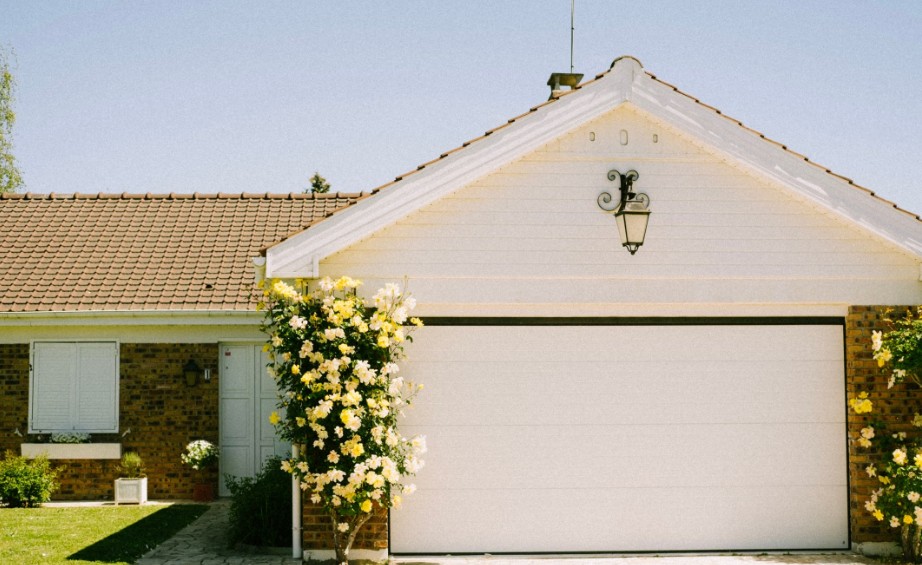
Garages are often the biggest opportunity for reclaiming space. What starts as a place to park a car frequently turns into overflow storage for everything else in the house. Moving bulky, infrequently used items into a storage unit can bring a garage back to its original purpose, and for many homeowners, actually parking in the garage again is the single biggest quality-of-life change that comes out of a decluttering project.
Basements and spare bedrooms follow a similar pattern. Both tend to become default storage for anything without an obvious home, which slowly eats into space that could otherwise be used for a hobby room, home office, or guest space. Once the overflow items move to storage, these rooms often reveal themselves as far more usable than anyone remembered. A basement that’s been written off as unusable for years can suddenly become a real living space once the clutter finds a new home elsewhere.
Choosing the Right Type of Unit
Not all storage needs are the same, which is why unit type matters as much as size. Furniture, electronics, and anything sensitive to temperature swings generally do better in climate-controlled units, while sturdier items like sports equipment, seasonal decor, or garage overflow are often just fine in standard conventional storage units. Matching the unit type to what’s actually being stored helps protect belongings without paying for more climate control than necessary, which keeps the whole project more budget-friendly.
Making Decluttering With Storage a Habit, Not a One-Time Fix
The households that stay clutter-free long term tend to treat storage as an ongoing system rather than a one-time cleanup. Revisiting a storage unit every season, deciding what’s still worth keeping there, and rotating items in and out based on need keeps both the home and the unit from becoming just another place clutter piles up unchecked. Setting a recurring reminder, even just once or twice a year, makes this habit far easier to actually stick with.
Final Thoughts
A cluttered home doesn’t usually need a complete purge to feel functional again. It often just needs somewhere else for the excess to go. Self storage offers exactly that: a flexible, secure way to hold onto what matters while giving a home the breathing room it’s been missing. For homeowners who’ve been putting off a decluttering project simply because they didn’t know where everything would go, storage removes that barrier entirely.